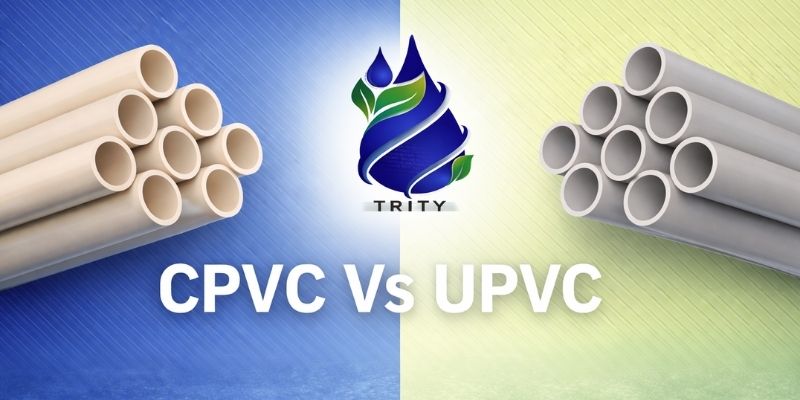
CPVC vs UPVC Pipes – Key Differences, Applications & Which One to Choose in India
When it comes to modern plumbing solutions, homeowners and contractors often find themselves choosing between CPVC pipes and UPVC pipes. While both are excellent alternatives to traditional copper and metal pipes, they're designed for different applications and have distinct performance characteristics. Understanding the differences between CPVC and UPVC will help you make an informed decision that ensures your plumbing system performs reliably for decades.
What Are CPVC and UPVC Pipes?
Before diving into the differences, let's clarify what these materials are.
Understanding UPVC Pipes in India
UPVC stands for Unplasticized Polyvinyl Chloride. Unlike regular PVC, which contains plasticizers to make it flexible, UPVC removes these additives, creating a rigid, more durable material. This rigidity is what makes UPVC pipes stronger and more resistant to external pressure. The manufacturing process involves precise extrusion techniques that ensure consistent wall thickness and superior dimensional accuracy.
UPVC pipes have been in use for decades and are recognized worldwide for their reliability in cold water applications. Major manufacturers like Trity Pipes produce high-quality UPVC pipes and fittings that comply with international standards while maintaining affordability.
Understanding CPVC Pipes in India
CPVC stands for Chlorinated Polyvinyl Chloride. This material is created by adding chlorine atoms to the PVC polymer structure through a specialized chlorination process. This chemical modification fundamentally changes the pipe's properties, particularly its ability to withstand higher temperatures and resist chemical corrosion.
CPVC was invented in 1959 and has been the industry standard for hot water applications in residential and commercial buildings. Leading manufacturers, including Trity Pipes, now offer CPVC pipes and fittings that are certified for potable water use globally.
Key Differences Between CPVC and UPVC Pipes
1. Temperature Resistance: The Most Critical Difference
The most significant difference between CPVC and UPVC lies in their temperature handling capabilities.
UPVC pipes are designed for cold water applications in residential and commercial systems and can handle temperatures up to 50-60°C (approximately 122°F). Beyond this threshold, UPVC begins to soften, which compromises the structural integrity of the pipe and can lead to deformation or joint failure.
CPVC pipes, on the other hand, can withstand temperatures up to 93°C (approximately 200°F). This exceptional heat resistance makes CPVC the preferred choice for hot water distribution systems in homes, hotels, hospitals, and commercial buildings. This temperature advantage is due to the chlorination process that stabilizes the polymer structure against thermal stress.
2. Chemical Resistance
Both UPVC and CPVC offer good chemical resistance, but CPVC has a slight advantage in highly corrosive environments.
UPVC pipes resist most common chemicals, including acids, alkalis, and salts. They perform exceptionally well in environments with moderate chemical exposure and are suitable for standard plumbing and drainage applications.
CPVC pipes demonstrate superior chemical resistance, particularly against aggressive substances like high-concentration acids, alkalis, and industrial chemicals. This makes CPVC the better choice for industrial applications, chemical plants, and specialized commercial installations where chemical exposure is a concern.
3. Pressure Rating and Mechanical Strength
While UPVC pipes are naturally rigid and offer excellent pressure-bearing capacity, CPVC pipes maintain high pressure ratings even at elevated temperatures. This dual advantage makes CPVC ideal for high-rise buildings and complex plumbing systems where water pressure and temperature fluctuations are common.
UPVC pipes are adequately strong for standard residential plumbing where water pressure remains relatively constant and temperatures stay below 50°C.
4. Durability and Lifespan
Both materials are exceptional in terms of longevity:
- UPVC pipes have an expected lifespan of 50+ years when properly installed and maintained, especially in underground installations and cold water systems.
- CPVC pipes offer a comparable lifespan of 40-50 years, even under high-temperature conditions and demanding industrial applications.
This durability makes both materials far superior to metal pipes, which are prone to corrosion and require frequent replacement.
5. Cost Considerations
Cost is an important factor when choosing between the two.
UPVC pipes are more affordable due to their simpler manufacturing process and widespread availability. They're the budget-friendly option for large projects like irrigation systems, cold water supply lines, and drainage networks.
CPVC pipes are typically 20-30% more expensive than UPVC pipes because of the additional chlorination process and specialized manufacturing requirements. However, for hot water systems, this premium investment pays dividends through reduced maintenance, fewer replacements, and system longevity.
6. Installation and Flexibility
CPVC pipes are slightly more flexible than UPVC, despite still being relatively rigid. This flexibility makes CPVC easier to install in complex plumbing configurations where multiple bends and turns are necessary. It also reduces the number of fittings required, which can lower overall installation costs.
UPVC pipes are stiffer and may require more fittings and supports during installation, especially when navigating building structures with multiple obstacles.
Both materials use solvent welding and specialized cement for joining, though CPVC requires specific high-temperature solvent cement that differs from UPVC cement.
Applications: Where to Use CPVC vs UPVC
Best Applications for UPVC Pipes in India
- Cold water supply in residential and commercial buildings
- Drainage and sewage systems
- Agricultural irrigation projects
- Underground water lines and bore wells
- Electrical conduits for wire protection
- Industrial applications with moderate temperature requirements
- Large-scale projects where cost-efficiency is paramount
Best Applications for CPVC Pipes in India
- Hot water distribution systems in homes and apartments
- Industrial fluid handling and chemical transport (non-aggressive chemicals)
- Commercial buildings requiring both hot and cold water
- Fire sprinkler systems (CPVC is self-extinguishing)
- Hotels, hospitals, and multi-story buildings with complex hot water demands
- High-rise buildings requiring superior pressure management
- Laboratories and research facilities with specialized water requirements
CPVC vs UPVC: Side-by-Side Comparison
| Feature | CPVC Pipes | UPVC Pipes |
|---|---|---|
| Temperature Range | Up to 93°C (200°F) | Up to 60°C (140°F) |
| Pressure Rating | Excellent, even at high temperatures | Good, suited for moderate pressure |
| Chemical Resistance | Superior, especially to acids and alkalis | Good, suited for general use |
| Cost | Higher (~20-30% more) | Lower, budget-friendly |
| Lifespan | 40-50 years | 50+ years |
| Flexibility | More flexible than UPVC | More rigid |
| Fire Resistance | Self-extinguishing | Limited fire resistance |
| Installation | Requires specialized CPVC cement | Standard PVC solvent cement |
| Best Use | Hot water systems | Cold water systems |
| Certifications | Potable water certified globally | Potable water certified |
Why Material Choice Matters for Your Plumbing System
Choosing the wrong pipe material for your plumbing system can result in costly repairs, system failures, and potential water quality issues. Here's why this decision is critical:
- Longevity: Using UPVC for hot water will cause premature degradation and frequent leaks, while using CPVC for cold water is an unnecessary expense.
- Safety: CPVC is certified for potable water in both hot and cold applications, ensuring your drinking water remains safe and uncontaminated.
- Performance: CPVC's superior pressure handling in hot water systems prevents joint failures and maintains consistent water flow.
- Cost-Effectiveness: Matching the right material to the application ensures you're not over-investing or under-performing.
- Building Code Compliance: Many jurisdictions require CPVC for hot water lines and specify UPVC for certain drainage applications.
Installation Considerations
UPVC Installation
Installing UPVC pipes involves:
- Cutting pipes to exact length
- Cleaning pipe ends and socket areas
- Applying appropriate solvent cement
- Joining quickly and firmly
- Using proper supports and clips
UPVC is lightweight and easier to handle, making installation faster and reducing labor costs.
CPVC Installation
CPVC Pipes installation follows similar steps but requires:
- High-temperature solvent cement specifically designed for CPVC
- Proper priming in some applications
- More careful handling due to tighter tolerances
- Professional installation recommended for complex systems
Both materials benefit from professional installation to ensure proper joint strength and system reliability.
CPVC vs UPVC Pipes – Which One Should You Choose?
The choice between CPVC and UPVC ultimately depends on your specific application:
Choose UPVC if:
- Your project involves cold water supply, drainage, or irrigation
- You're working within a limited budget
- The application involves below 50°C temperatures
- You need maximum cost-effectiveness
- Your project is large-scale and price-sensitive
Choose CPVC if:
- You need hot water distribution
- Your project involves high-rise buildings or complex multi-story structures
- Temperature reliability and pressure handling are non-negotiable
- You require superior chemical resistance
- You want a one-pipe solution for hot and cold water
- The application is in commercial or industrial settings
Quality Standards and Certifications
Both CPVC and UPVC pipes should meet strict international standards. Look for pipes that are:
- BIS certified (Bureau of Indian Standards)
- ISO 9001:2015 certified for quality management
- Lead-free for potable water safety
- NSF certified or equivalent international certifications
- Manufactured from virgin raw materials, not recycled content
Reputable manufacturers like Trity Pipes ensure their UPVC and CPVC pipes meet all relevant standards and undergo rigorous testing for dimensional accuracy, pressure rating, and safety.
Common Mistakes to Avoid
- Using UPVC for hot water: This is the most common error and leads to pipe softening and leaks
- Over-investing in CPVC for cold-only systems: Wasting money when UPVC would suffice
- Mixing different solvent cements: Using wrong cement compromises joint integrity
- Ignoring temperature specifications: Not accounting for future hot water requirements
- Improper installation: Avoiding professional installation to save money often costs more later
Frequently Asked Questions
Can I use CPVC pipes instead of UPVC pipes?
Yes, CPVC can be used in any UPVC application, as it exceeds UPVC's performance standards. However, it's unnecessary and more expensive for cold water systems.
Can I mix CPVC and UPVC in the same system?
While technically possible with appropriate transition fittings, it's not recommended. Each material requires its specific solvent cement and has different expansion rates, which can compromise system integrity.
How long do these pipes last?
Both CPVC and UPVC pipes typically last 40-50 years or more with proper installation and maintenance, significantly outlasting copper and galvanized steel pipes.
Are CPVC and UPVC pipes safe for drinking water?
Yes, both CPVC and UPVC are certified safe for potable water when manufactured to international standards. Always ensure the products are NSF/ANSI 61 certified or equivalent.
Which is better for underground installation?
UPVC is preferred for underground applications due to its rigidity, which provides better protection against soil pressure and external loads.
Conclusion
The decision between CPVC vs UPVC pipes isn't about which is inherently "better" — it's about choosing the right material for your specific application. UPVC excels in cold water, drainage, and cost-sensitive projects, while CPVC delivers superior performance for hot water systems and demanding commercial applications.
For residential homeowners, the typical scenario involves UPVC for cold water supply and drainage, paired with CPVC for hot water distribution. This combination ensures optimal performance, safety, and cost-effectiveness across your entire plumbing system.
When selecting pipes for your next plumbing project, prioritize certifications, installation quality, and material appropriateness. Partnering with trusted manufacturers who provide quality-assured UPVC and CPVC pipes with proper certifications ensures your plumbing investment remains reliable for decades to come.
Looking for the Right CPVC or UPVC Pipes for Your Project?
If you're planning a plumbing project and need expert guidance on whether CPVC or UPVC pipes are right for your application, don't hesitate to contact us. Our team of experts can help you select the perfect piping solution that meets your budget, performance requirements, and building codes.
About Trity Pipes: We are an ISO-certified UPVC and CPVC pipes manufacturer in India . With 14+ years of industry experience and a strong network across 20+ states, we're committed to delivering reliable, durable piping solutions for residential, commercial, and industrial applications. All our products are manufactured from lead-free virgin raw materials and undergo rigorous quality checks to ensure long-term performance.